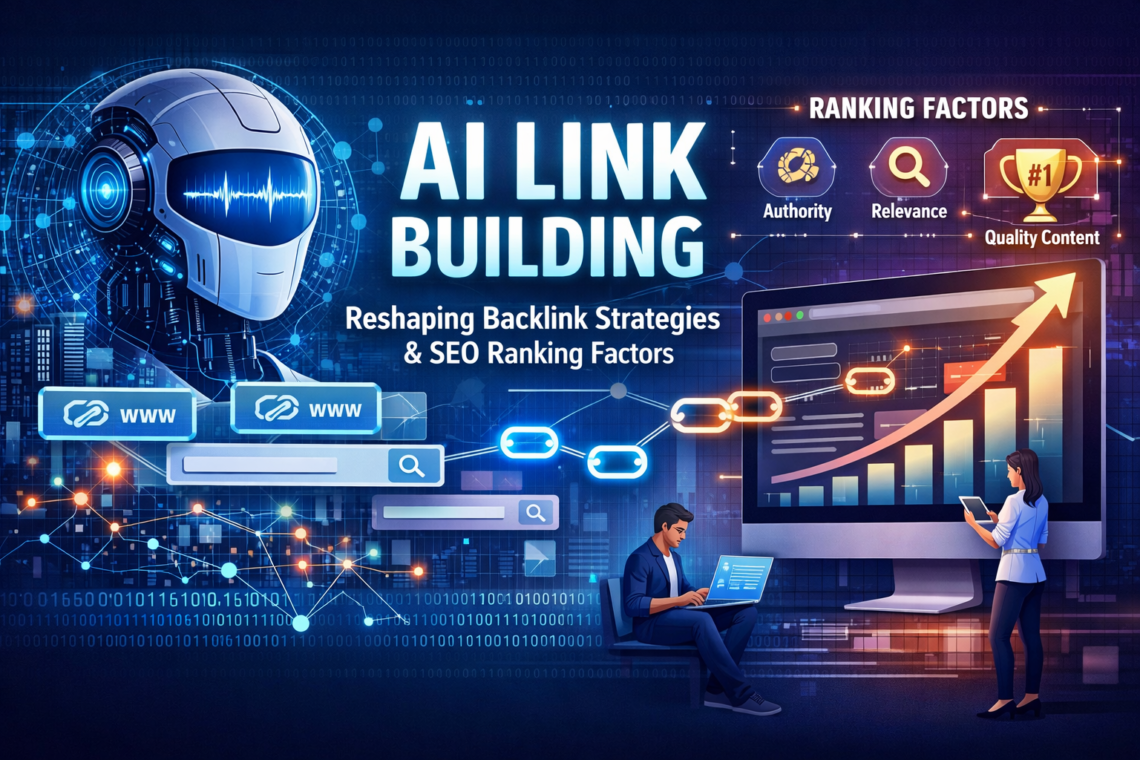
In the year 2026, the SEO market is experiencing one of the largest changes. As AI-powered search engines and answer-based websites are rapidly developing, lots of marketers are wondering whether link building is still effective. Backlinks were the foundation of SEO many years ago but nowadays, the engines are becoming more intelligent, user-oriented and context-oriented.
The Pre-AI History of Link Building.
The Conventional SEO Model.
Backlinks used to be among the strongest ranking signals during the initial stages of SEO. Such search engines as Google considered every link as a vote of confidence. The better links a page had the higher it was ranked in search results. This made link building a priority to marketers and usually motivates entire SEO campaigns.
They gave great importance to linking blogs, directories, forums, and guest posts on websites. The reasoning was straightforward, the more links, the more authority and the more authority, the higher the rankings. This paradigm was successful and lasted several years and informed the basis of current SEO practice.
Why It was Manipulated.
With the greater importance placed on link building, it was also more abused. A number of marketers began prioritizing the amount of links over the quality and as a result, the spammy practices (paid links, personal blog networks (PBNs), and link farms) began to emerge. The strategies were used to artificially boost rankings by not actually adding value to users.
It did not take long before search engines replicated this by coming up with updates to their algorithms to identify and punish low-quality backlinks. This heralded the onset of a change to more intelligent ranking systems where relevance and trust are given greater weight than mere bulk.
Major Features of Old Link Building.
- Backlinks were usually high and ensured high rankings irrespective of the content quality.
- This was done extensively through optimization of anchor texts to rank on a particular keyword.
- Mass link creation was popular with guest posting and directory submissions.
- User experience or content depth was not given a lot of attention.
The emergence of AI Search Engines.
More intelligent Search Algorithms.
The way information is processed and delivered is entirely transformed by AI-driven search engines. Modern algorithms no longer primarily rely on the backlinks; they can analyze the user intent, semantic meaning and the contextual relevance. They can also know what users want and not what they type.
The Zero-Click Era.
The emergence of zero- click searches is one of the largest effects of AI search. Most of the time featured snippets, AI summaries, or voice responses allow users to find their answers on the search result page. Consequently, even high-ranking pages can have reduced click-through rates.
What Remains Relevant in Backlinks Today.
Control of Quantity.
Backlinks remain an aspect of SEO, albeit with a much diminished significance. Search engines are now considering the authority and credibility of the linking source instead of numbers of links. One backlink of a reputable and relevant site can be worth much more than dozens of low quality links.
context and relevance.
The AI systems examine the circumstances under which a connection is made. This encompasses the content around, the relevance of the topic and the way the users relate to the page. The naturally placed links that are placed in quality informative content have a lot more weight than the ones placed unnaturally.
Relevancy is one of the major considerations. A backlink of one of the sites in your niche is much more potent than that of an unrelated one.
What Has Changed in Link Building.
- AI assesses the quality of the content and user activity as well as backlinks.
- Brand references that are not linked are now considered as authority cues.
- Rankings are affected by the engagement rates such as time on page.
- Link volume is less important than trust, expertise and credibility.
Current Link Building Techniques.
Pay attention to Important Content.
The content is still the basis of modern SEO. The best method of obtaining backlinks is to make high-quality, informative, and engaging content. Articles containing special knowledge, research facts or professional opinion have higher chances of being cited and distributed.
Marketers need not go after links but rather create content worthy of being linked.
Develop Brand Equity.
The role of brand recognition in AI-based search is growing. Even when there are no links, brand mentions of the web can be identified by search engines. Effective brand presence creates credibility and enhances visibility.
This implies that businesses must invest in social presence, branding and uniformity in message delivery across the platforms.
Use Digital PR
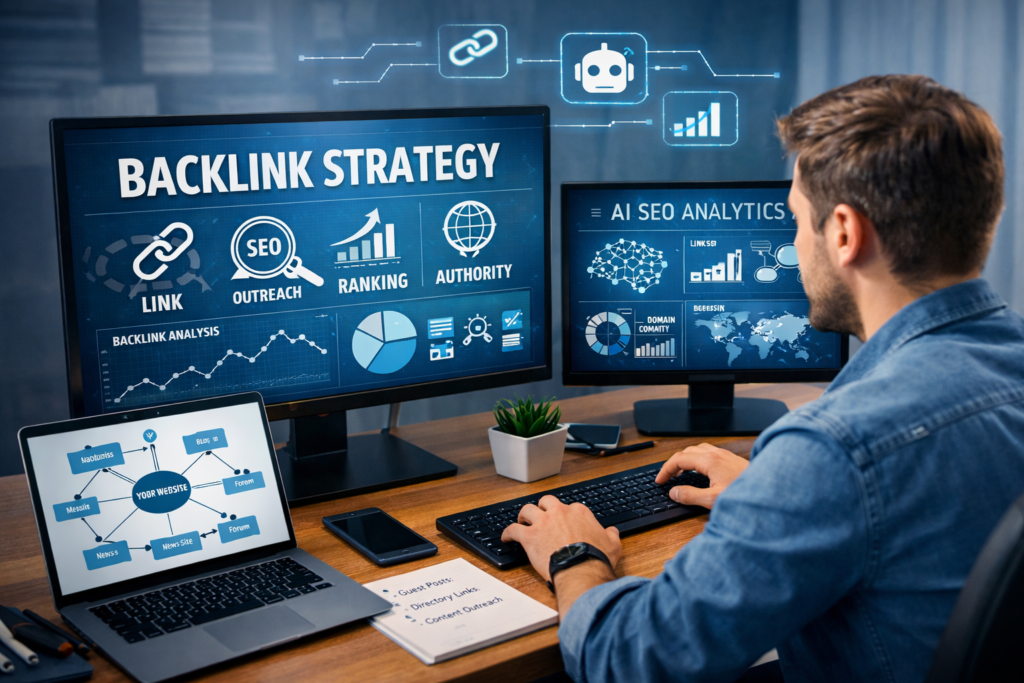
One of the most successful modern strategies of link building is digital PR. Being mentioned on well-known sites, news sources and blogs in the industry not only offers high-quality backlinks, but also enhances credibility and exposure.
This strategy is aimed at gaining attention and not artificially establishing connections.
Build Topical Authority.
Topical authority is the breadth of information that a web site has on a specific topic. Websites can showcase an expert and rank higher by developing numerous pieces of content on a niche topic and connecting them to each other internally.
This plan is very well aligned with AI search that prioritizes depth and relevance over superficial contents.
Conclusion
Link building is not really dead but has been transformed to be something meaningful and sophisticated. Emphasis has been placed on quality and authenticity rather than quantity, on links instead of trust, and manipulation versus authenticity.
With AI search, it is all about producing valuable content, establishing a good brand and gaining real authority. The ones that are able to comprehend and embrace these changes will remain successful, and outmoded strategies will soon disappear.
FAQs.
1. In 2026, is link building still a thing?
Yes, however, it has shifted to quality, relevance, and trust and not quantity.
2. Are backlinks still beneficial to rankings?
No, but they are united with AI-oriented factors such as user intent and content quality.
3. What has taken the place of traditional link building?
The current digital PR, brand building and content marketing are more effective.
4. Are unlinked mentions important?
Yes, AI will be able to identify brand mentions and use them as authority signals.
5. Which is the most effective SEO strategy?
Pay attention to quality content, current authority and developing credibility.
Share this content: