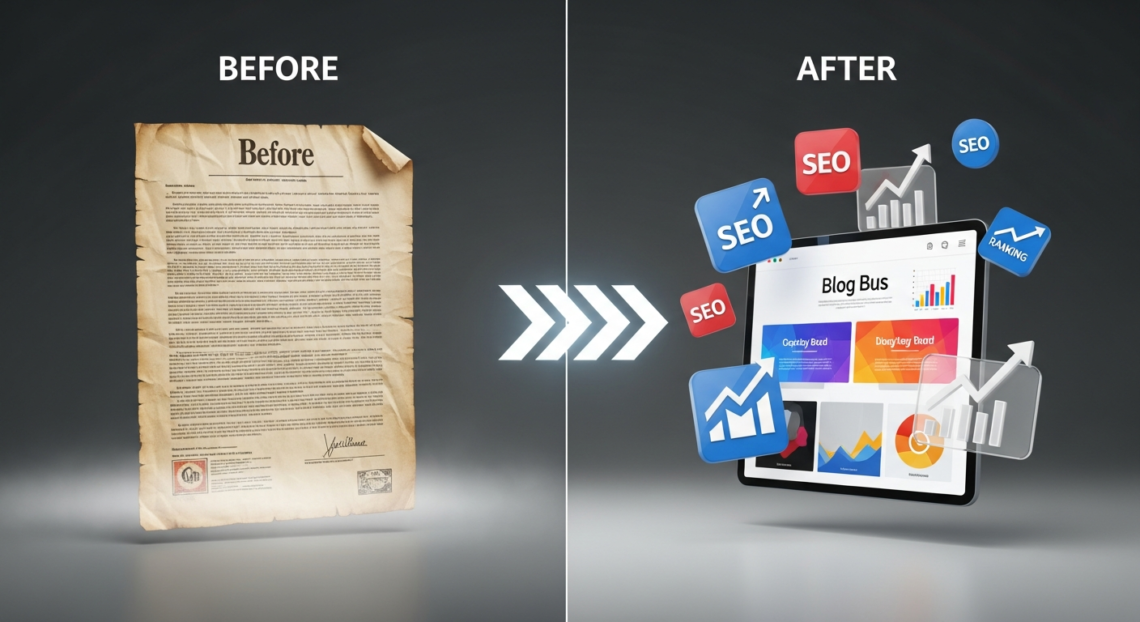
One of the best methods of enhancing SEO of your web pages is updating old blog posts, and you do not have to be able to write something entirely new. The posts including high-ranking ones may also lose their place over time because of the outdated data, alteration of the search purpose, or increased competition. A clever content update plan will assist you to keep yourself relevant and gain better positions. Engines love new and current data, and this is why it is possible to increase visibility by updating the posts on a regular basis. It is possible to transform low-performing content into useful investments by making it better, adding data, and optimizing the elements of the SEO features. The given approach will not only help to save time but also provide faster SEO outcomes than the publication of new articles.
The Reason Content Refresh is Important to SEO.
To maintain your place in the search engines, content refresh is necessary to ensure that your site remains competitive. With the development of algorithms, search engines meet the accuracy, relevance, and freshness of the content with the first priority. The maintenance of old material might erode its value as time goes. Posting regularly will inform search engines that your site is a live and trusted site. It is also used to align your content to the existing user intent and search trends. Better-quality content usually increases the level of engagement, length of session and rate of click-through. All these will also lead to the improved rankings that is why the content refresh is an important element of any long-term strategy in SEO.
Improves Search Visibility
Fresh content enhances the possibility to be ranked higher in search results. Search engines reexamine your content when you change keywords, add new relevant sections to your content, and enhance structure. This can assist your post to change the low-page ranking to the first page results. More organic traffic and overall performance will be achieved with increased visibility.
Top Cues Your Content Has to be updated.
The first step in the process of constructing a strong refresh strategy is the identification of outdated content. The posts do not all have to be updated on a regular basis, yet there are some obvious signs when something has to be done. Performance metrics also allow you to know what content requires betterment. Frequent audits will make sure that your site is competitive and is up to date. One of the most typical indicators that your content should be updated is a drop in organic traffic. Likewise, the validity of your post is lowered by the old statistics, tools, or sources. Poor ranking of keywords and low levels of engagement such as high bounce rate are also a signifier that your content is not satisfying the users. Such content performance can be enhanced with ease by updating.
Declining Organic Traffic
When your content is not getting traffic as time goes by, it is an obvious indication that your content requires an update. This normally occurs in situations when rival companies write superior or more recent content. The update of your post can be beneficial in relation to the lost traffic and rankings.
Step-by-Step Content Refresh Strategy.
These need to be planned so as to achieve the most out of content updates. It is not enough to edit several lines and improve the rankings. A well thought strategy is one that will make sure that your material is not only in line with the expectations of the user but also with the requirements of the search engine. Begin by applying content audit to find out poor performing posts according to traffic and ranking. Next revise your key word strategy with pertinent and trending keywords. Another step that should be made is the improvement of the content quality, which involves facilitating the readability and providing more extensive information. You must also add recent information, statistics and real life examples as a means of adding credibility. Lastly, maximize on page SEO factors such as headings, meta tag and internal links.
Effective Content Refresh Best Practices.
The best practices would make sure that your content refresh initiatives achieve the maximum results. Attention to detail and consistency are some of the aspects that lead to success. Tend to concentrate on the high-potential pages that already have some traffic or ranking as those are able to provide faster improvements. Never lose the original purpose of the contents and enhance the quality and relevance of the same. To make users more engaged, one may add some visuals including pictures and infographics. Internal interconnection is another significant strategy that can be used to spread the SEO value throughout your site. With continuous performance of these practices, you will be able to maximize the effects of your content updates.
What Not to Do in Content Refresh.
It is important to avoid typical pitfalls in order to make sure that your content refresh strategy will be successful. Keywords stuffing is one of the largest errors as it may adversely affect readability and negatively influence SEO. The second problem is the neglect of user experience which includes bad formatting or uncertainty of the content. The problem that some web site owners commit is altering the intent of the content totally, which will cause both users and search engines to become confused. Failure to measure success by failing to track performance following updates is another significant issue. You should not delete your past contents but you do need to enhance them to maintain the SEO value and back links.
best content renewal strategies.
- Revise old statistics with new statistics.
- Add new keywords depending on the current trends.
- Make headings better and content structure.
- Include external and internal links.
- Incorporate images and other visuals.
- Make meta title and description optimal.
The Frequency of Content Refreshment.
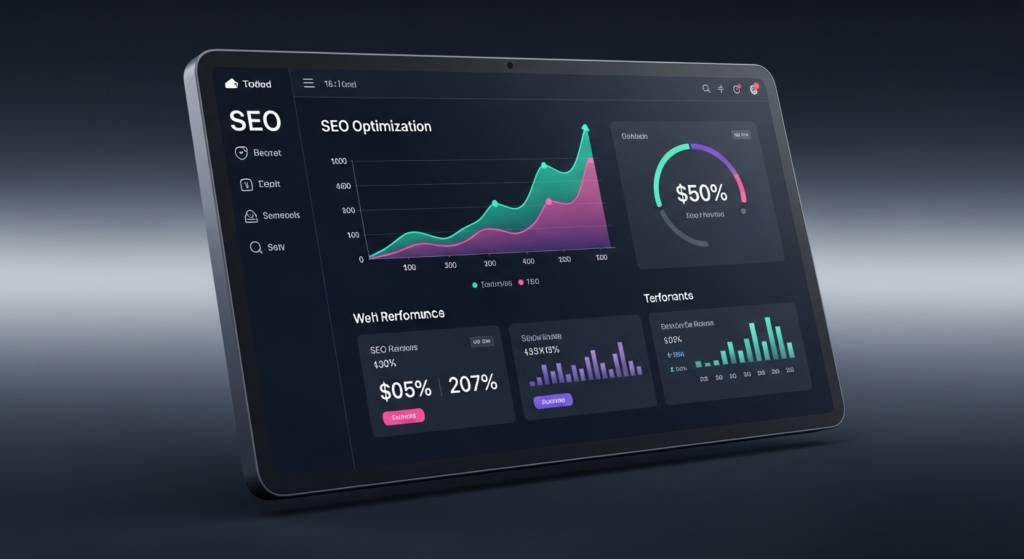
The nature of content, and the trends in the industry, determine the frequency of content updates. Frequent updates are useful in keeping up to date and enhancing performance in search results. Blogs posts must be updated within a time span of six to twelve months in order to remain competitive. Evergreen material can be reviewed annually, whereas trending topics can be changed every three to six months. The performance metrics, such as traffic and engagement, can be monitored to see when the updates are required. An uninterrupted refresh will guarantee that your content is not stale and will keep generating organic traffic in the long run.
Conclusion
A good content refresh plan will be critical to a long-term successful SEO. Refreshing the old posts assists in improved rankings, traffic and user experience. However, rather than concentrating on new content only, enhancement of the existing content can yield better and quicker results. When you take a systematic course of action and avoid the pitfalls that most people make, you will be able to get the most out of your content. Constant updates make sure that your site remains relevant and competitive on search results. Eventually, content refresh proves to be an effective means of long-term development and successful presence online.
FAQs
What does content refresh mean in search engine optimization?
The concept of content refresh is restating old blog posts with the new information, keywords, and enhancements to improve the ranking.
I am not sure what content should be updated first?
Begin with those posts which have depreciating traffic, low ranking or old information.
Does content refreshment increase rankings?
Yes, new content is fresh to the search engines that can be used to enhance rankings.
Should I update the URL in case of an update in content?
No, retain the same URL to avoid the devaluation of SEO and backlinks.
How many days do you need before you can see results of updating content?
Search engines normally take some weeks before re-indexing and displaying improvements.
Share this content: